Snow Storm Weather Forecast: Your Ultimate Guide To Staying Safe And Informed - Our goal is to provide you with actionable insights and reliable information to help you navigate the challenges of snowstorms. By the end of this article, you'll be better equipped to interpret weather forecasts and take the necessary steps to protect yourself and your loved ones. Transportation planning is another critical aspect of snow storm preparedness. If you must travel during a storm, make sure your vehicle is equipped with a winter survival kit, including blankets, flares, and an ice scraper. Staying informed through reliable weather sources is equally important.
Our goal is to provide you with actionable insights and reliable information to help you navigate the challenges of snowstorms. By the end of this article, you'll be better equipped to interpret weather forecasts and take the necessary steps to protect yourself and your loved ones.
We encourage you to share this article with friends and family to help spread awareness about snow storm preparedness. Additionally, consider exploring other resources and tools mentioned throughout this guide to enhance your knowledge and readiness. Together, we can make a difference in how we approach and manage severe winter weather.
Understanding the basics of a snow storm is essential for interpreting weather forecasts accurately. According to the National Weather Service, a snow storm is classified as a blizzard when winds exceed 35 mph and visibility drops below a quarter of a mile for at least three hours.
Whether you live in a region prone to heavy snowfall or are simply planning a winter trip, having a solid grasp of snow storm forecasts can make a significant difference. This article will explore everything you need to know about snow storm weather forecasts, from understanding the science behind them to practical tips for staying safe.
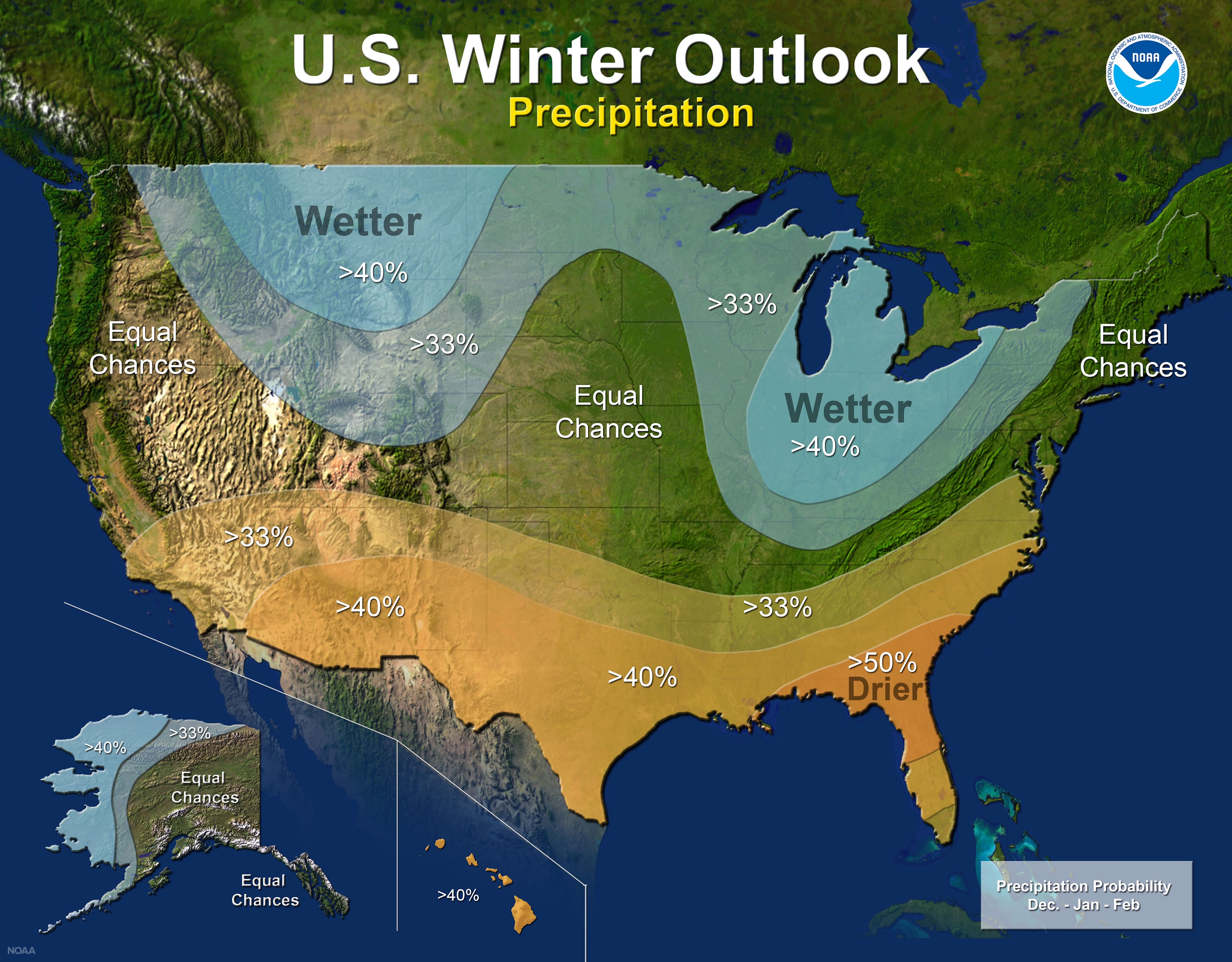
For example, regions near large bodies of water, such as the Great Lakes in the United States, often experience lake-effect snow storms. These storms occur when cold air passes over relatively warm lake water, leading to intense snowfall in downwind areas.

One of the most critical tools in forecasting is the Global Forecast System (GFS), which provides weather predictions up to 16 days in advance. While long-term forecasts may not always be precise, they offer valuable insights into potential weather patterns.
In conclusion, understanding snow storm weather forecast is vital for ensuring safety and minimizing disruptions during winter months. By familiarizing yourself with forecasting methods, important factors, and safety tips, you can better prepare for and respond to snow storms.
Social media platforms have also become valuable tools for sharing real-time weather updates. Following reputable meteorologists and weather organizations on platforms like Twitter and Facebook can help you stay informed during severe weather events.
Accurate snow storm weather forecast relies on advanced meteorological techniques and data analysis. Meteorologists use a combination of satellite imagery, radar systems, and atmospheric models to predict the intensity and trajectory of snow storms.
Despite advances in meteorology, misconceptions about snow storm weather forecast persist. One common myth is that forecasters exaggerate the severity of storms to attract attention. In reality, meteorologists strive to provide accurate and timely information to keep the public safe.
Throughout history, several snow storms have left a lasting impact on communities around the world. The Blizzard of 1888, often referred to as the "Great White Hurricane," devastated the northeastern United States, causing widespread destruction and loss of life. Similarly, the Snowmageddon of 2025 paralyzed Washington, D.C., with record-breaking snowfall.
It's also important to clear snow from driveways and sidewalks to prevent accidents. Use caution when shoveling snow, as overexertion can lead to injuries or heart attacks. If you lose power, use alternative heating sources carefully and ensure proper ventilation to avoid carbon monoxide poisoning.